English
 French
 Spanish


If you've ever done a Gemba walk, you already understand the intent — go to the shop floor, observe the process, and see what's really happening. In lean manufacturing audit, a Gemba Walk is meant to connect leadership with real operations.
But in most organizations, Gemba walks remain informal. People walk, observe, maybe discuss a few issues and then move on. Nothing is recorded, nothing is tracked, and most importantly, nothing is followed through.
The real problem is a Gemba Walk Audit changes this dynamic. It introduces structure, consistency, and accountability, turning everyday walks into a system that actually drives improvement.
As organizations scale, managing audits manually becomes difficult. This is where internal audit management software helps standardize audits, improve visibility, and ensure consistency across teams.
1. What is a Gemba Walk Audit?
A Gemba Walk Audit is a structured way of observing operations using predefined criteria, documented observations, and follow-up actions. It brings discipline to what is otherwise an informal activity.
The difference becomes clear when you compare the two approaches. A traditional Gemba walk depends heavily on the individual conducting it — what they notice, what they remember, and what they choose to act on. A Gemba walk audit, on the other hand, ensures that every walk follows the same standards, captures the same type of data, and leads to defined actions.
In simple terms, a Gemba walk helps you see problems. A Gemba walk audit ensures those problems are consistently identified, recorded, and resolved.
2. Why Traditional Gemba Walks Fail
Most Gemba walks fail not because the concept is flawed, but because the execution lacks structure. Observations are often subjective, depending on who is conducting the walk. Without a checklist, there is no consistency.
Even when issues are noticed, they are rarely documented in a way that allows teams to revisit them later. Over time, this leads to repeated problems — issues are seen again and again, but never fully resolved.
Another common gap is accountability. When no one is clearly responsible for fixing an issue, it simply gets lost, and without follow-up, even well-identified problems remain open. This creates a disconnect between observation and action, one of the biggest reasons Gemba walks fail to deliver real value.
In a manufacturing facility facing repeated delays, structured Gemba walks helped identify a bottleneck at a critical workstation and inefficiencies caused by outdated equipment. Once these observations were consistently documented and reviewed, the process was optimized, resulting in improved workflow, reduced cycle time, and better overall production efficiency.
Source: Lean manufacturing case study on Gemba walks and process improvement
3. Key Objectives of a Gemba Walk Audit
A Gemba walk audit is not just about walking the floor — it's about focusing on what matters. The objective is to verify whether processes are working as intended and to identify gaps early. Typically, these audits aim to ensure that safety practices are being followed, processes are executed according to defined standards, and quality issues are identified before they escalate. At the same time, they help uncover inefficiencies — areas where time, effort, or resources are being wasted.
When done right, a Gemba walk audit becomes a practical tool for maintaining control over daily operations.
4. Step-by-Step Gemba Walk Audit Process
To make Gemba walk audits effective, the process must be structured and repeatable. Each step should lead clearly to the next, ensuring nothing is missed.

Step 1: Define the Audit Scope
Start by deciding what you want to evaluate, whether it's a specific process, department, or risk area. A clear scope keeps the audit focused and prevents unnecessary observations.
Step 2: Prepare a Standardized Checklist
Create or use a predefined checklist covering key areas like safety, quality, and process adherence. This ensures consistency across audits and reduces subjectivity.
Step 3: Conduct the Gemba Walk
Go to the shop floor and observe operations in real time. Watch how tasks are performed, ask process-related questions, and verify whether actual practices match defined procedures.
Step 4: Record Observations in Real Time
Document findings during the walk itself. Avoid relying on memory, as it often leads to missed or inaccurate information.
Step 5: Identify Non-Conformances
Classify observed issues clearly as non-conformances or improvement opportunities. This helps in prioritizing and tracking them effectively.
Step 6: Assign Corrective Actions (CAPA)
For each issue, assign responsibility, define corrective actions, and set deadlines. Without ownership, issues are unlikely to be resolved.
Step 7: Review and Analyze Trends
After the audit, review collected data to identify recurring issues, high-risk areas, and process gaps. This step helps shift from reactive fixes to proactive improvement.
5. Best Practices for Effective Gemba Walk Audits
Gemba walk audits deliver results only when they are structured, consistent, and focused on improvement — not observation alone. The goal is to uncover real process gaps and ensure they are acted upon.
Involving cross-functional teams brings multiple perspectives, helping identify root causes faster. At the same time, audits should focus on processes rather than blaming operators, as this encourages openness and more accurate insights from the shop floor.
Short, frequent audits are more effective than long, occasional ones. They keep teams consistent, improve observation quality, and make it easier to track and close issues. Standardizing checklists and scoring methods further ensures that audits remain consistent across teams and locations, enabling better comparison and trend analysis.
Key Best Practices
- Involve production, quality, and maintenance teams
- Focus on process gaps, not individuals
- Keep audits short, targeted, and regular
- Use standardized checklists and scoring criteria
- Track findings and ensure timely closure of actions
When these practices are followed, Gemba walk audits become a reliable system for identifying issues early, improving accountability, and driving continuous operational improvement.
6. Gemba Walk Audit Checklist (Sample)
A well-designed checklist is what brings consistency to a Gemba walk audit. Without it, every audit becomes different, making it difficult to compare results or track improvements.
- ☐ Are 5S standards (Sort, Set in order, Shine, Standardize, Sustain) visibly maintained in the work area?
- ☐ Are operators following defined SOPs without deviation?
- ☐ Are safety controls (PPE, machine guards, emergency stops) actively used and accessible?
- ☐ Is equipment operating within defined parameters without abnormal noise, vibration, or stoppages?
- ☐ Are there visible signs of rework, defects, or quality issues?
- ☐ Are there any delays, bottlenecks, or idle time in the process flow?
- ☐ Is material flow smooth without unnecessary movement or waiting?
- ☐ Are visual management tools (labels, instructions, dashboards) clear and up to date?
- ☐ Are workstations organized and free from clutter or hazards?
- ☐ Are operators aware of their tasks, targets, and quality expectations?
- ☐ Are maintenance issues identified, reported, and tracked properly?
- ☐ Is there evidence of continuous improvement actions being implemented?
- ☐ Are previous audit findings or corrective actions closed effectively?
A typical Gemba walk checklist in manufacturing would cover areas like workplace organization (5S), safety practices, equipment condition, adherence to standard operating procedures, and the effectiveness of visual management systems.
Instead of trying to observe everything at once, a checklist keeps the audit focused and repeatable. Over time, it becomes a reliable way to measure how well processes are being followed.
7. Benefits of Gemba Walk Audits
When Gemba walks are structured as audits, the impact is immediate and visible. Teams gain a clearer understanding of what is happening on the shop floor, not just occasionally, but consistently.
Issues are identified earlier, which means they can be resolved before they escalate into bigger problems. Accountability improves because every finding is linked to an action and an owner.
Most importantly, organizations move toward continuous improvement — not as a concept, but as a daily practice supported by data.
8. Common Mistakes to Avoid
One of the most common mistakes is treating Gemba walks as a routine activity without a clear purpose. When there is no structure, the value quickly fades.
Another issue is failing to document observations properly. Without data, there is no way to track progress or measure improvement. Ignoring the feedback from frontline employees is also a missed opportunity, as they often have the most practical insights into process issues.
And finally, lack of follow-up remains the biggest gap. Identifying problems is only half the job — closing them is what actually drives improvement.
9. How Digital Audit Tools Improve Gemba Walks
Manual methods like paper checklists or spreadsheets often limit the effectiveness of Gemba walk audits. They make it difficult to maintain consistency, track actions, and analyze trends over time.
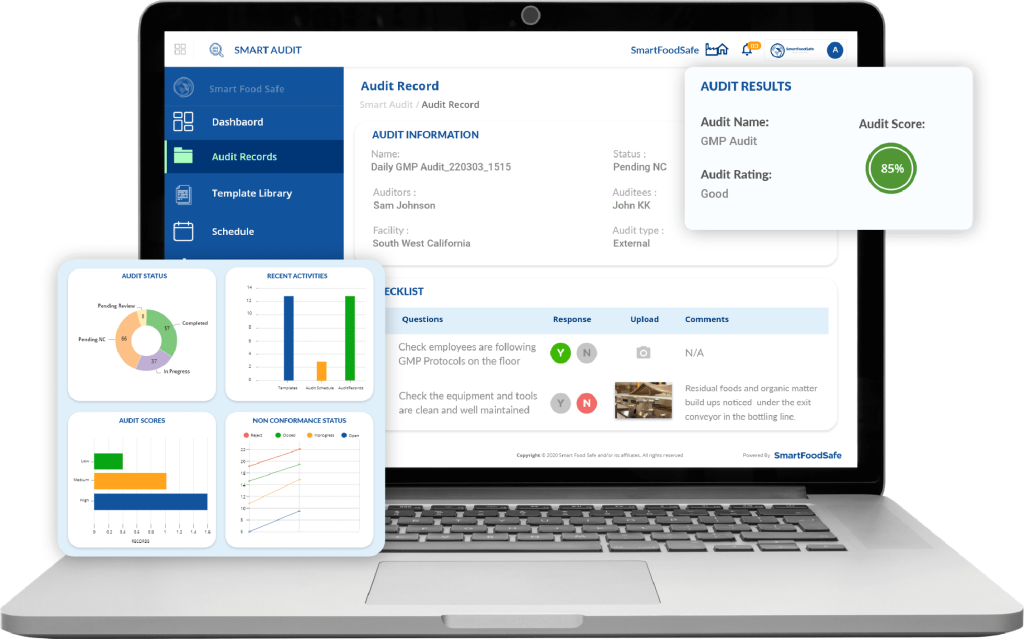
Digital audit tools solve this by allowing teams to capture data in real time, standardize audit formats, and track corrective actions from start to finish. Reporting becomes faster and more accurate, and insights are available instantly.
For organizations managing multiple locations or large teams, this shift from manual to digital is what makes Gemba walk audits scalable.
10. How to Digitize Your Gemba Walk Audits
Digitizing Gemba walk audits doesn't require a complete overhaul — it starts with small, practical changes.
- Replace paper checklists with digital forms
- Enable mobile-based audit execution
- Capture evidence (photos, notes) in real time
- Automate corrective action tracking
- Use dashboards to monitor trends
Over time, dashboards and analytics provide a clear view of trends, helping organizations move from reactive fixes to proactive improvement.
11. Conclusion
A Gemba walk on its own is a strong concept, but without structure it often results in observations that don't lead to action. A Gemba Walk Audit brings that structure by introducing a clear process, standardized checklists, and accountability for every finding.
When structured audits are supported by proper non-conformance tracking and corrective action management, teams can move beyond just identifying issues to actually fixing them. This not only improves day-to-day operations but also strengthens process consistency over time — and as operations grow, managing audits manually becomes difficult to sustain. Using internal audit management software helps bring consistency, track actions in real time, and keep audits aligned across teams.
In simple terms, a Gemba walk helps you notice problems. A Gemba Walk Audit makes sure those problems are addressed and resolved.
Frequently Asked Questions
- Manufacturing plant managers
- Quality assurance teams
- Continuous improvement leaders
- EHS managers
A Gemba walk is an informal activity focused on observing operations, while a Gemba walk audit is structured and standardized. The audit uses predefined checklists, records observations, identifies non-conformances, and ensures follow-up actions. In short, a walk helps you notice issues, but an audit ensures those issues are tracked and resolved.
The frequency depends on process criticality. High-risk or high-volume operations may require daily audits, while stable processes can be reviewed weekly. The key is consistency — regular audits help identify patterns and prevent small issues from becoming major problems.
Focus on whether operations are running as intended. This includes checking safety practices, verifying adherence to SOPs, identifying quality issues, and spotting inefficiencies such as delays, rework, or unnecessary movement.
Consistency comes from standardization. Using the same checklist, scoring criteria, and audit process across all teams ensures that results are comparable. Training auditors on how to conduct the audit also reduces variation.
A Gemba walk checklist is a structured set of questions used during audits. It ensures that critical areas like safety, quality, and process adherence are always reviewed. Without a checklist, audits become subjective and inconsistent.
No, they serve different purposes. Gemba walk audits focus on day-to-day operational checks, while internal audits are more formal and cover broader compliance requirements. Together, they create a stronger audit system.
They should always be documented during the walk. Delayed documentation leads to missed details, incomplete records, and reduced accuracy. This can be done using digital audit tools which helps in recording audits immediately.
Yes, they can be applied in healthcare, logistics, retail, and service industries — anywhere processes can be observed and improved in real time.
Scaling requires standardization and visibility. All locations should use the same checklist, follow the same audit process, and report findings in a consistent format. Training is critical to ensure that audits are conducted uniformly. In addition, centralized tracking helps leadership monitor performance across sites and identify patterns that may not be visible at a single location level.
This is a common scenario and often indicates that the SOP is either outdated or not practical. Instead of immediately flagging it as non-compliance, the first step should be to understand why the deviation exists. In many cases, operators modify processes to make them more efficient. The right approach is to evaluate whether the current practice is better and update the SOP if needed, or correct the process if it introduces risk.