English
 French
 Spanish


As the importance of conducting audits can never be underestimated, the frequency and timing of these audits are just as critical in determining their effectiveness. Regular, well-timed audits not only ensure consistent compliance but also serve as proactive tools for identifying emerging risks before they escalate.
When audits are delayed or infrequent, gaps can go unnoticed, undermining corrective action and weakening an organization’s safety or quality posture. On the other hand, audits that are strategically scheduled allow businesses to stay agile and responsive.
Here, we discuss how embedding audit planning component into a broader risk-based strategy facilitates ongoing improvement and operational resilience, without missing any potential issues.
Understanding the Root Causes of Audit Delays
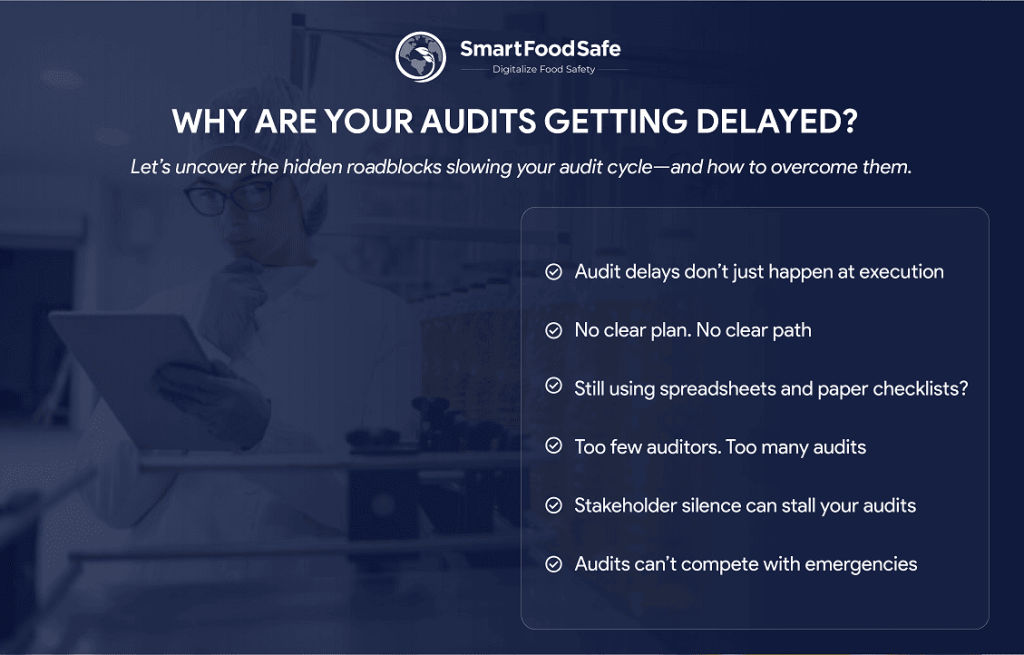
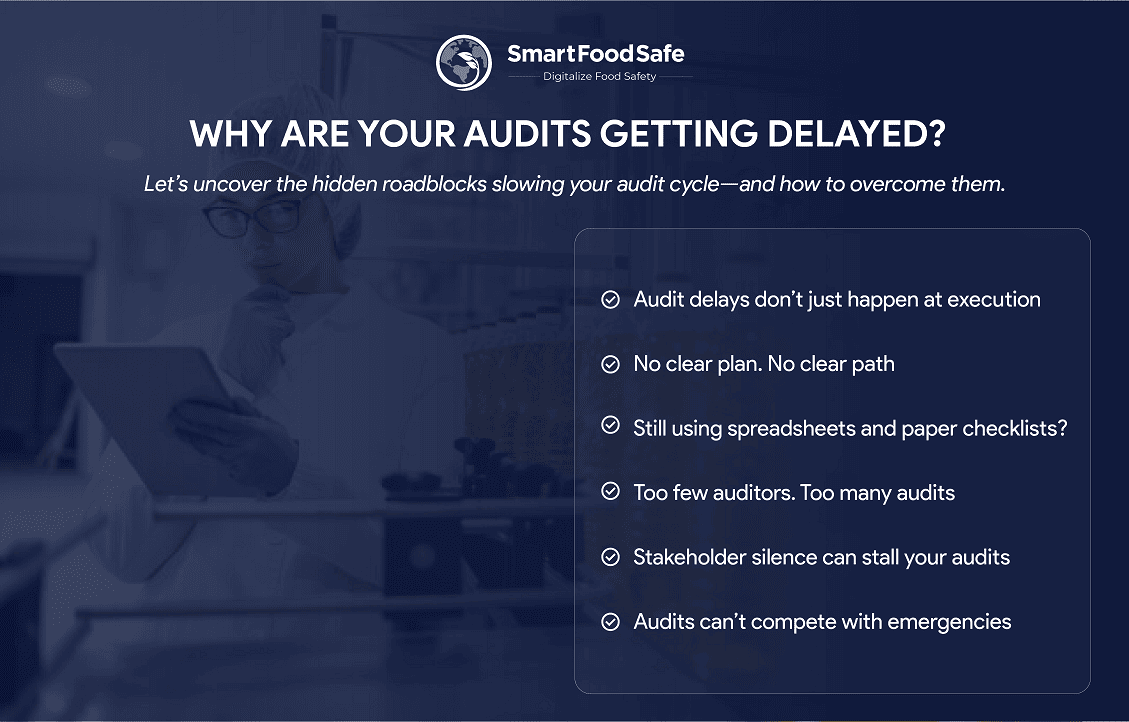
Audit delays don’t just happen during execution—they are often the result of issues that start well before the first checklist is reviewed. Identifying and understanding the underlying causes of these delays is essential to improving the efficiency and reliability of audit programs. Below are the most common root causes that can throw audit schedules off course:
A. Inadequate Preparation and Planning
A poorly structured audit from the outset sets the stage for delays. Without a well-defined audit plan—including a clear timeline, scope, and resource allocation—teams may struggle to stay aligned with goals or timelines.
- Audit schedules may conflict with peak business activities or operational priorities.
- Uncontrolled scope creep can lead to extended audit duration and diverted focus.
- Vague or undefined audit objectives can create confusion across departments about what’s being evaluated.
B. Manual and Disconnected Audit Processes
Traditional approaches that rely on spreadsheets or paper-based checklists are not only inefficient but also prone to error and oversight. These disjointed systems often require manual data collection from various departments, making the process labor-intensive and slow.
- Information is often stored in silos, leading to delays in access and sharing.
- Review and approval cycles stretch out due to lack of real-time collaboration tools.
- Tracking and closing corrective or preventive actions (CAPAs) becomes cumbersome and inconsistent.
C. Insufficient Audit Resources
Internal audit teams are frequently under-resourced. A single auditor may be tasked with covering multiple departments or sites, reducing their ability to conduct audits thoroughly and on time.
- Audit fatigue sets in when small teams are overloaded.
- Lack of timely access to subject-matter experts can halt audits that require domain-specific insights.
- The process of compiling and reviewing final audit reports often takes longer than expected, especially when support is limited.
D. Unresponsive or Unengaged Stakeholders
Audits are inherently collaborative, often requiring input and documentation from various stakeholders, including department heads, quality personnel, and line supervisors. If these stakeholders are unresponsive or unprepared, the audit timeline can be significantly impacted.
- Delayed responses to audit findings or queries stall progress.
- Some stakeholders may not fully understand their roles and responsibilities in the audit process.
- Fear of negative outcomes may cause reluctance or hesitation, further delaying cooperation.
E. Changing Business Priorities
Even the best-laid audit plans can be disrupted by unforeseen business needs or crises. When unexpected regulatory inspections, urgent customer demands, or production issues arise, audits often take a backseat.
- Scheduled audits are postponed or interrupted by emergency tasks.
- Audit team members or stakeholders are reassigned to higher-priority projects.
- After an audit is completed, final reports and follow-ups are deprioritized, stalling closure.
What Happens When Your Audits Delay
| Consequence | Impact on Organization | |
|---|---|---|
| Compliance Risk | Audit delays create a time lag, leaving compliance assessments outdated and increasing the risk of undetected regulatory breaches and potential penalties. | Non-compliance fines can be hefty—reports show missing deadlines can trigger regulatory scrutiny, fines, and operational disruptions if firms scramble to catch up. |
| Loss of Credibility | Consistent audit delays erode confidence in the audit function. When audits aren't timely, stakeholders may question the reliability of findings. | Damaged credibility can weaken internal trust and affect external stakeholder perception, complicating future audits and weakening governance. |
| Missed Improvement Opportunities | Delays push back the identification of control gaps and areas for improvement, leading to missed chances to enhance processes or prevent issues. | Senior management lacks timely insights, hindering proactive decision-making and limiting operational efficiency. This delay can suppress strategic improvements. |
| Cost Escalation | Extended audits require more time and resources. They may also disrupt operations—tie up staff and resources beyond planned timelines. | Operational delays and resource overrun increase overall costs, including hidden costs from lost productivity. |
| Audit Quality Degradation | Under time pressure, auditors may rush reviews, compromising depth of scrutiny and increasing the risk of undetected errors or fraud. | Audit rigor weakens, potentially allowing material misstatements or control breakdowns to slip through—creating long-term risk. |
Strategies to Prevent Audit Delays and Stay on Schedule
Here are key strategies to help your organization maintain a structured, on-schedule audit process and avoid unnecessary delays.
1. Leverage Audit Scheduling Tools - Using audit management software with built-in scheduling features can significantly reduce the risk of delays. These tools streamline planning and execution by automating repetitive tasks and offering visibility into audit progress.
⇒ Automated notifications ensure stakeholders are reminded of upcoming audits, reducing the risk of missed deadlines.
⇒ Dependency tracking allows audit coordinators to align related tasks, preventing hold-ups due to incomplete prerequisites.
⇒ Central dashboards provide real-time status updates, making it easier to monitor progress and address bottlenecks early.
2. Digitize the Entire Audit Lifecycle - Moving away from manual and paper-based processes is essential to increase audit speed and reduce errors. A digital audit management system can support the full lifecycle—from planning and execution to reporting and corrective action tracking.
⇒ Use mobile-enabled platforms for conducting on-site audits and capturing data efficiently.
⇒ Enable real-time documentation by allowing users to upload photos, checklists, and records on the go.
⇒ Automate the escalation of non-conformances and initiate corrective action workflows directly from the audit platform.
3. Clearly Define Roles and Responsibilities - Lack of clarity in responsibilities can lead to confusion and delays. Before initiating an audit, establish a clear communication brief that outlines expectations for all parties involved.
⇒ Specify the scope and objectives of the audit to keep teams focused.
⇒ Provide a detailed timeline with task deadlines and deliverables.
⇒ Clearly assign ownership of evidence collection, compliance documentation, review, and approval.
4. Use Risk-Based Audit Planning - Applying the same audit frequency and rigor to every area can be inefficient. A risk-based approach helps in allocating audit resources where they are most needed.
⇒ Conduct more frequent and thorough audits in high-risk areas, such as those involving regulatory compliance or safety.
⇒ Scale back on low-risk zones, allowing auditors to focus on critical gaps without overwhelming the system.
⇒ Base audit plans on prior non-conformances, operational incidents, or third-party feedback.
5. Establish a Clear Escalation Process - Even with good planning, delays can occur. What matters is how quickly the organization identifies and resolves these issues. A well-defined escalation process ensures timely intervention.
⇒ Set thresholds for what constitutes a delay, such as overdue tasks or missing stakeholder inputs.
⇒ Outline a chain of escalation that includes who should be notified and when.
⇒ Assign responsibility for resolution to specific individuals or teams to avoid ambiguity.
6. Train Teams for Audit Readiness - A common reason audits are delayed is because operational teams are not adequately prepared. Regular training and readiness programs help departments respond more efficiently during audits.
⇒ Conduct mock audits to simulate real scenarios and identify potential obstacles.
⇒ Organize periodic audit awareness sessions to keep all departments informed about evolving expectations.
⇒ Share checklists and self-assessment tools so teams can stay prepared year-round.
Empower Your Organization Carry Out Timely and Effective Audit Processes WIth Smart Audit
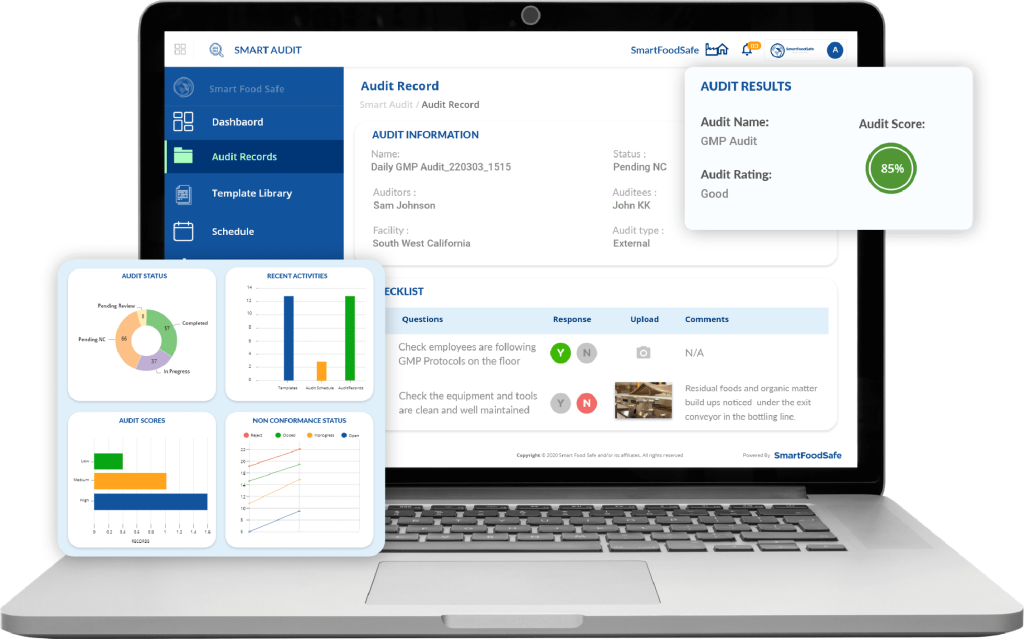
Smart Audit is built to proactively eliminate conventional audit pitfalls through automation, real-time visibility, and structured collaboration. By digitizing the entire audit lifecycle, from planning and scheduling to non-conformance resolution, it helps organizations stay on schedule while reducing manual effort and the risk of human error.
With powerful scheduling tools, users can allocate resources, customize timelines, and receive automated reminders to ensure audits are carried out on time. Built-in templates, configurable scoring systems, and a centralized document repository streamline data capture and promote consistency across audits. The ability to work offline, coupled with cloud-based syncing, ensures audits proceed uninterrupted—even in low-connectivity zones.
Smart Audit also facilitates readiness by supporting collaborative audit execution, enabling departments to prepare using shared checklists and mock-audit templates. Should delays occur, the system’s escalation workflows, real-time status dashboards, and automated alerts help teams quickly intervene and resolve issues. Moreover, non-conformance management is seamlessly integrated, allowing users to initiate CAPA processes directly from audit findings, track root causes, and maintain a clear audit trail for future reviews.